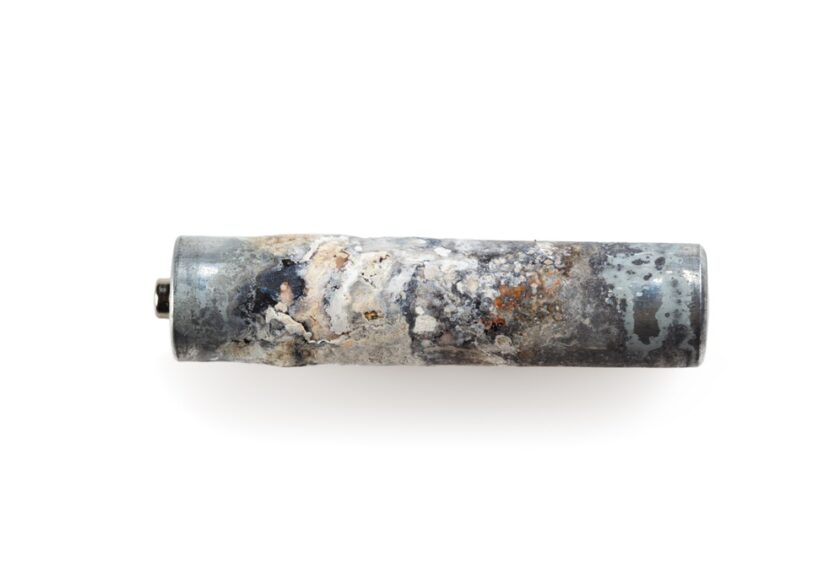
Most people do not think twice before tossing away an old rechargeable battery, broken power tool, damaged vape pen, or outdated electronic device. The item is no longer useful, so it ends up in the trash, a construction debris pile, or a roll-off dumpster during a cleanout project.
The problem is that lithium-ion batteries are not ordinary waste. When they are thrown into dumpsters with household junk, construction debris, roofing materials, scrap metal, or demolition waste, they can become a serious fire hazard. Across the waste industry, improperly discarded lithium-ion batteries are contributing to an increasing number of fires in dumpsters, garbage trucks, recycling facilities, transfer stations, and landfills.
For homeowners, contractors, property managers, and businesses across Colorado, understanding the risks of lithium-ion battery disposal is an important part of keeping projects safer and protecting waste workers, equipment, and surrounding property.
Lithium-ion batteries store a large amount of energy in a compact space. That is one reason they are used in so many modern devices. Phones, laptops, cordless tools, tablets, electric scooters, power banks, vape devices, and rechargeable lawn equipment all commonly rely on lithium-ion batteries.
Unlike regular household materials, lithium-ion batteries can become unstable if they are damaged, crushed, punctured, overheated, or exposed to moisture. Once damaged, the battery can short circuit internally and enter what is known as thermal runaway. This chain reaction causes rapid overheating and can result in smoke, fire, or even explosions in severe cases.
Inside a dumpster or garbage truck, conditions are far from gentle. Heavy debris shifts constantly during loading and transport. Construction materials, roofing tear-offs, scrap metal, concrete, wood, and other waste can crush or puncture batteries without anyone realizing it.
That is why lithium-ion batteries should never be treated like regular trash.
Dumpster fires often start without warning. A battery may sit unnoticed in a pile of debris until pressure, impact, or puncture damages the battery cell.
Once the battery ignites, nearby waste materials can fuel the fire quickly. Cardboard, paper, wood, insulation, plastics, packaging materials, and construction debris can all contribute to rapid fire spread inside a dumpster.
In some situations, the fire may begin hours after the battery was thrown away. A dumpster that appears completely normal during loading may suddenly begin smoking or burning later in the day while sitting at a job site, apartment complex, commercial property, or transfer station.
Dumpster fires involving lithium-ion batteries can:
Even small batteries can create major problems once they become damaged inside a waste container.
One reason lithium-ion battery fires continue increasing is that people often do not realize which items contain rechargeable batteries. Many devices look harmless after they stop working, but the battery inside may still contain stored energy.
Some of the most common items that end up in dumpsters include:
During construction, remodeling, eviction cleanouts, office cleanouts, and demolition projects, these items can easily get mixed into debris piles and tossed into a dumpster without much thought.
Lithium-ion battery disposal is especially important on construction and demolition sites. Contractors and crews often use rechargeable tools every day, and damaged batteries may accumulate quickly during large projects.
At the same time, dumpsters on construction sites typically contain heavy, abrasive materials that create ideal conditions for battery damage. Roofing shingles, concrete chunks, scrap metal, lumber, drywall, and demolition debris can crush batteries during loading and transport.
Contractors may also unknowingly throw away battery-powered devices found during renovations or cleanouts. Older security systems, cordless appliances, smoke detectors, smart home devices, and electronics may all contain lithium-ion batteries.
Without proper sorting, these items can become hidden hazards inside a roll-off container.
The risk does not end once the dumpster leaves the property.
After collection, dumpsters and trash loads are transported to transfer stations, recycling centers, or disposal facilities. During transport, waste is often compacted or shifted multiple times. This additional movement increases the likelihood of battery damage.
If a battery ignites inside a garbage truck, the situation can become extremely dangerous. Truck fires can spread rapidly because waste loads contain large amounts of combustible material.
Waste facilities face similar challenges. Batteries that make it through collection may ignite while waste is being unloaded, sorted, compacted, or processed. Fires at waste and recycling facilities can cause major operational disruptions and expensive equipment damage.
For the waste industry, lithium-ion batteries have become one of the fastest-growing safety concerns.
The increase in battery-related fires is tied directly to the growing number of rechargeable devices people use every day. Ten years ago, most households owned only a handful of rechargeable products. Today, many homes and businesses contain dozens.
At the same time, larger battery-powered equipment has become more common. E-bikes, scooters, battery-powered lawn equipment, and cordless job site tools are now used everywhere.
As battery use increases, improper disposal increases as well.
Many people still do not realize that batteries should not go into dumpsters, curbside recycling bins, or regular trash carts. Others may assume that a dead battery no longer poses any risk, even though damaged batteries can still ignite.
This lack of awareness is one reason education around proper battery disposal has become so important for waste companies and local communities.
No. Lithium-ion batteries should never be placed in a roll-off dumpster.
Roll-off dumpsters are designed for waste materials like construction debris, household junk, roofing materials, wood, drywall, concrete, and non-hazardous waste. They are not designed for reactive or hazardous materials that can ignite under pressure.
Even a small battery can become dangerous once buried beneath heavy debris.
If you are using a dumpster during a home cleanout, renovation, roofing project, demolition job, or commercial construction project, batteries and electronics should always be separated before loading the container.
The safest option is to recycle lithium-ion batteries through an approved battery recycling or household hazardous waste program.
Before transporting batteries for disposal:
Many communities offer battery recycling programs, electronics recycling events, or household hazardous waste collection services. Some retail stores and electronics retailers also participate in battery recycling programs.
For larger batteries from e-bikes, scooters, or commercial equipment, always check local disposal guidelines before transport.
Many electronics contain lithium-ion batteries that are not easily removable. Phones, tablets, laptops, wireless earbuds, smart watches, and rechargeable devices often fall into this category.
These items should not be thrown directly into a dumpster. Instead, the entire device should be taken to an approved electronics recycling location.
If an electronic device is damaged, swollen, or unusually hot, extra caution should be used during handling and transport.
Businesses, apartment complexes, warehouses, contractors, and property managers can all help reduce the risk of dumpster fires by creating clear battery disposal procedures.
Simple safety steps may include:
These small operational changes can significantly reduce fire risks on commercial properties and job sites.
Proper lithium-ion battery disposal protects more than just waste facilities. It helps protect workers, drivers, customers, buildings, equipment, and entire communities.
A single improperly discarded battery can create thousands of dollars in damage and put lives at risk. In many cases, these incidents are completely preventable.
Taking a few extra minutes to separate batteries from regular waste is one of the simplest ways to help improve safety throughout the waste and recycling process.
Apex Waste Solutions is a locally operated waste company serving communities across Southern Colorado. From roll-off dumpster rentals to waste handling guidance, Apex understands how important safety is at every stage of the disposal process.
Keeping hazardous materials and lithium-ion batteries out of dumpsters helps reduce fire risks for drivers, customers, facilities, and surrounding properties. That is why proper waste sorting and customer education remain an important part of responsible waste management.
Whether you are handling a home cleanout, remodeling project, roofing job, commercial renovation, or construction site cleanup, taking the time to separate batteries from debris can make a major difference.
No. Lithium-ion batteries should not be placed in dumpsters because they can become damaged, overheat, and potentially start fires during collection or disposal.
Batteries can ignite if they are crushed, punctured, damaged, or exposed to heat. Dumpsters often contain heavy materials that can damage batteries during loading and transport.
Rechargeable lithium-ion batteries from phones, laptops, power tools, vape devices, e-bikes, scooters, portable chargers, and electronics should all stay out of dumpsters.
No. Electronics with built-in rechargeable batteries should be taken to an approved electronics recycling or battery recycling location instead.
Damaged, swollen, leaking, or hot batteries should be handled carefully and kept away from flammable materials. Contact a local household hazardous waste or recycling provider for proper handling guidance.
No. Standard curbside recycling programs are not designed to safely handle loose lithium-ion batteries.
Many communities offer battery recycling programs, electronics recycling facilities, and household hazardous waste collection services. Always confirm accepted materials before visiting a drop-off location.
Lithium-ion batteries may be small, but the risks they create inside dumpsters and waste facilities are significant. As more rechargeable devices enter homes, businesses, and construction sites, proper disposal becomes even more important.
If you are planning a cleanup, renovation, construction project, or commercial waste job in Southern Colorado, Apex Waste Solutions can help you understand what materials belong in your dumpster and which items require special disposal. Contact Apex Waste Solutions today for roll-off dumpster rentals and safe waste handling guidance for your next project.